Die Hard: A Bold Font for Edgy Designs
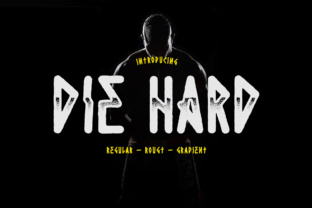
If you're looking for a font that commands attention and exudes a sense of toughness, Die Hard might be exactly what you need. This display font is more than just a visual statement—it's a tool that can elevate your design work with its distinctive style. Whether you're working on a logo, a poster, or a digital project, Die Hard offers a unique aesthetic that stands out from the crowd.
What makes Die Hard special is its ability to blend sharp edges with a rugged, almost rebellious look. It's not a font you'd use for everyday text, but when applied correctly, it can add a powerful visual punch. The font comes in multiple styles, which means you can mix and match different weights or variations to create a custom look that fits your specific needs.
Key Characteristics of Die Hard
Die Hard is designed with boldness in mind. Its letterforms are angular, with exaggerated strokes that give it a strong presence. The font has a high contrast between thick and thin lines, which adds to its dramatic effect. This contrast makes it ideal for headlines, titles, or any design element where you want to make a statement.
The font also has a certain level of readability, even at smaller sizes. While it's not meant for long blocks of text, it works well in short phrases or as a focal point in a design. Its structure allows it to maintain clarity without losing its edge, making it versatile for different applications.
One of the standout features of Die Hard is its versatility across different styles. You can choose from regular, bold, italic, or condensed versions, depending on your project. This flexibility lets you experiment with how the font looks in various contexts, helping you find the perfect fit for your design goals.
Practical Applications of Die Hard
Die Hard is particularly useful in creative fields where visual impact matters. Graphic designers often use it for branding projects, especially when the brand has a tough or edgy identity. Think of a motorcycle company, a punk music label, or a streetwear brand—Die Hard could help convey that vibe effectively.
For marketers and advertisers, this font can be a great asset. It's perfect for creating eye-catching headlines in print or digital ads. When used strategically, it can draw attention and reinforce the message of the campaign. However, it's important to balance it with other fonts to avoid overwhelming the viewer.
In educational settings, Die Hard might not be the first choice for textbooks or presentations, but it could be useful for creative projects like posters, infographics, or student publications. Teachers and students who are into graphic design or art might appreciate its unique look and the opportunity to experiment with typography.
Benefits of Using Die Hard
One of the main benefits of using Die Hard is its ability to enhance brand identity. A strong, distinctive font can help a brand stand out in a competitive market. It can communicate a sense of confidence, power, or rebellion, depending on how it's used. This makes it valuable for businesses that want to establish a memorable visual presence.
From a design perspective, Die Hard can boost engagement by making content more visually appealing. In digital environments, such as websites or social media posts, a bold font can increase user interaction by drawing the eye and encouraging exploration. However, it should be used sparingly to maintain a clean and professional look.
For freelancers and small business owners, Die Hard offers an affordable way to add a unique touch to their work. It’s accessible and can be used across different platforms, including Adobe Creative Suite, Canva, and other design tools. This makes it a practical choice for those who want to elevate their designs without investing in expensive typefaces.
Considerations When Using Die Hard
While Die Hard is powerful, it's not suitable for every project. Overusing it can lead to a cluttered or unprofessional appearance. It's best reserved for specific elements, such as headings, logos, or decorative text. Pairing it with simpler fonts can help balance the overall design and ensure legibility.
Another consideration is the context in which it's used. For example, a corporate website might not benefit from Die Hard, as it could clash with the brand's tone. However, a music festival poster or a gaming event banner could thrive with this font. Understanding your audience and the message you want to convey is key to using Die Hard effectively.
Finally, always test the font in different sizes and formats before finalizing your design. What looks great on a large banner might not work as well on a small business card. Experimenting with spacing, color, and layout can help you achieve the best results while maintaining the integrity of the font's style.
Conclusion: Embrace the Edge with Die Hard
Die Hard is more than just a font—it's a design choice that brings energy and character to any project. Its bold, edgy style makes it ideal for those who want to make a statement through typography. Whether you're a designer, marketer, educator, or hobbyist, this font offers a fresh approach to visual communication.
By understanding its strengths and limitations, you can use Die Hard to enhance your work and create designs that stand out. With its range of styles and versatility, it's a valuable addition to any designer's toolkit. So why not give it a try and see how it can transform your next project?