RainBrush: A Stylish Textured Font for Creative Designs
In the world of graphic design and typography, the right font can make all the difference. One such font that has been gaining popularity among designers is RainBrush. This textured dry brushed font offers a unique aesthetic that can elevate any project, from branding to digital art. In this article, we’ll explore what makes RainBrush stand out, how it can be used effectively, and why it’s a valuable addition to any designer’s toolkit.
What Is RainBrush?
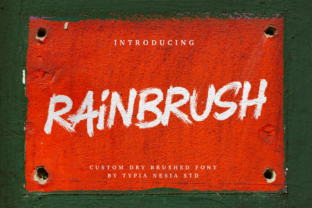
RainBrush is a display font that mimics the look of a dry brush stroke, giving it a handcrafted, artistic feel. It's designed to add a stylish punch to your designs, making it ideal for headlines, logos, and other visual elements where a bold and creative touch is needed. The texture of the font gives it a tactile quality, as if it were painted by hand rather than digitally created.
This font is particularly useful when you want to convey a sense of creativity, nature, or authenticity. Its irregularities and grainy texture help break up the monotony of clean, modern fonts, adding depth and character to your work.
The Purpose and Significance of RainBrush
Typography plays a crucial role in communication. While many fonts are designed for readability and clarity, others are crafted for visual impact. RainBrush falls into the latter category. Its purpose is not just to communicate text but to evoke emotion and create a memorable impression.
For businesses, this font can be a powerful tool for branding. A logo or tagline that uses RainBrush can stand out in a crowded market, helping a brand differentiate itself. For artists and designers, it offers a way to express their creativity without relying on traditional brushes or paints.
In education, RainBrush can be used in presentations or infographics to draw attention to key points. In technology, it might appear in app interfaces or digital signage to add a human touch to otherwise sterile environments.
Why RainBrush Stands Out
There are countless fonts available online, but RainBrush distinguishes itself through its unique texture and versatility. Unlike some decorative fonts that may be too ornate or difficult to read, RainBrush strikes a balance between style and legibility. It works well in both large and small sizes, making it suitable for a wide range of applications.
- Versatility: RainBrush can be used in print and digital formats, making it adaptable to various projects.
- Emotional Impact: The handcrafted look of the font can evoke feelings of warmth, creativity, and authenticity.
- Visual Interest: The texture adds depth and dimension, making designs more engaging.
How to Use RainBrush Effectively
While RainBrush is visually striking, it’s important to use it strategically. Here are some tips for incorporating this font into your designs:
- Use It for Headlines: RainBrush is best suited for short, impactful text such as headlines, titles, or logos. Avoid using it for long paragraphs, as it may become difficult to read.
- Pair It with Simpler Fonts: To maintain balance, pair RainBrush with a more straightforward font for body text. This contrast helps guide the reader’s eye and ensures clarity.
- Experiment with Color and Backgrounds: The texture of RainBrush can interact differently with various colors and backgrounds. Experiment to find the combination that best highlights the font’s characteristics.
- Consider the Context: Think about the message you want to convey. If your design is meant to feel modern and clean, RainBrush might not be the best choice. However, if you’re aiming for a more organic or artistic feel, it could be perfect.
Examples of RainBrush in Action
To better understand how RainBrush can be used, let’s look at a few examples:
- Branding: A boutique coffee shop might use RainBrush for its logo to give it a rustic, artisanal feel. The font’s texture complements the warm, inviting atmosphere of the café.
- Marketing Materials: A travel agency could use RainBrush in a poster promoting a “Getaway” package. The font adds a sense of adventure and spontaneity, appealing to potential customers looking for an escape.
- Digital Art: An artist might incorporate RainBrush into a digital painting to add a handmade quality. This can help bridge the gap between traditional and digital art forms.
Common Misconceptions About Textured Fonts
Despite their appeal, textured fonts like RainBrush are sometimes misunderstood. Some people assume they are only suitable for specific types of projects, while others worry they might be too hard to read. However, with proper use, these fonts can enhance a design rather than hinder it.
Another misconception is that textured fonts are always informal or unprofessional. While they may not be appropriate for every situation, they can still be used in professional contexts when the goal is to convey creativity or a unique identity.
Conclusion
RainBrush is more than just a font—it’s a tool for expression and creativity. Its textured, dry brushed style offers a fresh alternative to traditional typography, allowing designers to add personality and visual interest to their work. Whether you're working on a personal project, a business logo, or a digital artwork, RainBrush can help you make a statement.
As with any design element, the key to using RainBrush effectively lies in understanding its strengths and limitations. By pairing it with complementary elements and using it in the right context, you can unlock its full potential and create designs that truly stand out.