Graham Cracking: A Bold and Versatile Font for Creative Expression
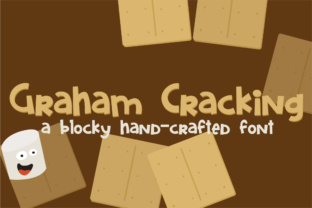
Graham Cracking is more than just a font—it's a visual statement. Its blocky, hand-crafted design gives it a unique character that stands out in any context. Whether used in digital displays, print materials, or creative projects, Graham Cracking brings a sense of authenticity and craftsmanship to the table. This font isn't just about aesthetics; it's about purpose and practicality. Understanding its strengths and limitations can help designers, developers, and creators make informed decisions about when and how to use it.
The Origins and Design Philosophy of Graham Cracking
While the exact origins of Graham Cracking remain unclear, its design reflects a blend of retro influences and modern typography trends. The blocky structure suggests a connection to early digital fonts, where limited resolution required bold, clear shapes. However, Graham Cracking takes this concept further by adding subtle irregularities that mimic hand-drawn elements. This combination of precision and imperfection makes it stand out in a sea of generic typefaces.
The font’s construction is intentionally simplistic, with sharp angles and minimal serifs. These features contribute to its readability at larger sizes, making it ideal for headlines, logos, and display text. However, its lack of fine detail can make it less suitable for long paragraphs of body text. This distinction is important for users who are considering Graham Cracking for different applications.
Key Characteristics of Graham Cracking
Graham Cracking is characterized by its boldness, simplicity, and tactile feel. Each letterform is constructed with thick strokes and clean edges, giving the font a strong visual presence. The spacing between characters is consistent, which helps maintain legibility even when used in tight layouts. These traits make it particularly effective in environments where clarity and impact are priorities.
Another notable feature is its versatility across different mediums. Because of its straightforward design, Graham Cracking can be scaled easily without losing its defining qualities. This makes it useful for both digital and print applications, from website headers to signage and packaging. Its ability to adapt to various formats is one of the reasons it has gained popularity among designers and developers.
Practical Applications of Graham Cracking
Graham Cracking excels in scenarios where a strong, eye-catching visual is needed. One of its most common uses is in title and heading design. Whether for a blog post, a product page, or a presentation slide, the font adds a sense of energy and personality. Its blocky style can also evoke a sense of nostalgia, making it a good choice for retro-themed projects or branding.
In addition to titles, Graham Cracking is often used in poster design and advertising. Its bold form makes it highly visible, even from a distance. This quality is especially valuable in outdoor signage, where clarity and impact are essential. When paired with contrasting colors or backgrounds, the font can create striking visual compositions that demand attention.
For digital interfaces, Graham Cracking can be used in navigation menus, buttons, or other interactive elements. Its simplicity ensures that it doesn’t overwhelm the user experience, while its distinct shape helps differentiate it from other fonts. However, it's important to consider the context in which it's used, as overly large or dense applications may reduce readability.
Advantages of Using Graham Cracking
One of the main advantages of Graham Cracking is its ability to convey a sense of strength and confidence. The font’s bold structure makes it ideal for brands that want to project authority or innovation. It can also add a touch of creativity to otherwise plain designs, helping to elevate the overall aesthetic.
Another benefit is its compatibility with other design elements. Because of its clean lines and simple structure, Graham Cracking can be paired with a wide range of fonts and color schemes. This flexibility allows for greater creative freedom, enabling designers to experiment with different combinations without sacrificing visual harmony.
From a technical standpoint, Graham Cracking is easy to implement. Most design software and web platforms support custom fonts, making it accessible to a broad audience. Additionally, its file size is typically small, which is beneficial for performance optimization, especially in web development contexts.
Considerations for Effective Use
While Graham Cracking has many strengths, it's not a one-size-fits-all solution. One key consideration is its suitability for different text sizes. At smaller sizes, the font’s blocky structure can become difficult to read, especially in low-resolution environments. This limitation means that it should be used cautiously in body text or detailed layouts where clarity is crucial.
Another factor to keep in mind is the target audience. Graham Cracking may not be appropriate for all industries or design styles. For example, a formal corporate environment might prefer a more traditional serif or sans-serif font. In contrast, a creative agency or startup might find Graham Cracking to be a perfect fit for their brand identity.
Finally, it's important to test the font in real-world scenarios. What works well on a screen may not translate effectively to print, and vice versa. Experimenting with different sizes, colors, and layouts can help uncover potential issues and ensure that the font meets the intended purpose.
Comparing Graham Cracking to Other Fonts
Graham Cracking shares some similarities with other blocky or geometric fonts, such as Bebas Neue or Impact. However, it distinguishes itself through its hand-crafted appearance, which adds a level of uniqueness not found in more rigidly structured typefaces. This characteristic makes it a good alternative for designers looking for something that feels more organic and authentic.
When compared to more traditional fonts like Times New Roman or Arial, Graham Cracking offers a stark contrast in terms of style and tone. While the latter are designed for maximum readability and versatility, Graham Cracking prioritizes visual impact and personality. This difference highlights the importance of choosing the right font based on the specific needs of a project.
Ultimately, the decision to use Graham Cracking should be based on the goals of the design. If the objective is to create a memorable, bold statement, then this font can be an excellent choice. However, if the focus is on clarity and neutrality, other options may be more appropriate.
Future Trends and Relevance
As design trends continue to evolve, the demand for unique and expressive fonts like Graham Cracking is likely to grow. With the increasing emphasis on personalization and brand differentiation, fonts that offer a distinctive visual identity are becoming more valuable. Graham Cracking, with its bold and hand-crafted style, is well-positioned to meet this demand.
Additionally, the rise of digital media and social platforms has created new opportunities for fonts to be used in unconventional ways. From animated text to interactive web elements, Graham Cracking could find new life in these emerging formats. As technology advances, the possibilities for creative font usage will only expand.
For professionals and enthusiasts alike, staying informed about font trends and capabilities is essential. By understanding the strengths and limitations of fonts like Graham Cracking, designers can make more informed choices that enhance their work and resonate with their audiences.