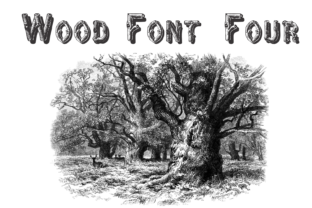
Wood Four: A Bold Choice for Nature-Inspired Design
Wood Four is more than just a font—it's a visual statement that brings the warmth and texture of wood into digital design. With its rustic, handcrafted feel, it's ideal for projects that want to evoke the essence of nature, sustainability, and organic beauty. Whether you're working on a branding campaign, a website, or a printed piece, Wood Four can add character and authenticity that other fonts simply can't match.
When to Use Wood Four
Wood Four shines in situations where the message is about nature, environmentalism, or artisanal craftsmanship. It's especially effective when paired with imagery of forests, trees, or natural landscapes. For instance, a conservation organization might use it for a campaign promoting reforestation efforts, giving the text a tactile, earthy quality that reinforces the cause.
Outdoor brands, like those selling hiking gear or eco-friendly products, often turn to Wood Four for their logos and promotional materials. The font's irregular edges and slight imperfections mimic the look of carved wood, which aligns perfectly with the rugged, authentic vibe these companies aim to project.
Real-World Applications of Wood Four
One common use case for Wood Four is in packaging design. Companies that sell organic food, handmade soaps, or sustainable household goods often use this font to make their products stand out on store shelves. The font's natural aesthetic helps communicate the product's eco-friendly values without needing explicit labels.
Another scenario where Wood Four is valuable is in editorial design. Magazines or blogs focused on environmental issues, gardening, or outdoor living can use it for headlines or section titles. It adds a sense of depth and character that makes the content feel more grounded and relatable.
Event planners and designers also find Wood Four useful for creating invitations or promotional materials for nature-themed events. A wedding held in a forest, for example, might use the font for the guest list or program, reinforcing the rustic, natural setting of the occasion.
Who Benefits from Using Wood Four
Designers looking for a unique, expressive typeface will appreciate the versatility of Wood Four. Its bold strokes and uneven lines allow for creative experimentation, making it a favorite among artists and illustrators who want to add a handmade touch to their work.
Business owners in the green industry, such as eco-tourism operators or sustainable fashion brands, can use Wood Four to create a consistent visual identity that reflects their commitment to the environment. The font's organic look helps build trust and credibility with customers who prioritize sustainability.
Content creators, including YouTubers, bloggers, and social media influencers, often use Wood Four in their visuals to add a personal, authentic feel to their brand. It's particularly effective in video thumbnails, banners, or social media posts that focus on nature, DIY projects, or lifestyle topics.
Considerations Before Using Wood Four
While Wood Four is visually striking, it's important to consider how it will appear in different formats. On screens, the font may look slightly less defined compared to print, so testing it across various devices is recommended. Additionally, because of its textured appearance, it may not be the best choice for long blocks of text, as readability can suffer.
Users should also think about the overall design context. Wood Four works best when paired with complementary fonts that balance its rough edges. A clean, modern sans-serif might provide contrast, while another decorative font could create a cohesive, layered look.
Accessibility is another factor to keep in mind. Individuals with visual impairments may find it harder to read Wood Four, especially in smaller sizes. In such cases, using the font for headings or short phrases rather than body text is a safer approach.
Strengths and Limitations of Wood Four
The primary strength of Wood Four is its ability to convey a sense of authenticity and connection to nature. It's perfect for projects that want to feel grounded and real, rather than polished and artificial. Its distinctive style can help a brand stand out in a crowded market, making it a powerful tool for differentiation.
However, Wood Four isn't a one-size-fits-all solution. Its bold, uneven appearance may not suit all industries or audiences. For example, a tech startup aiming for a sleek, modern image might find it too rustic or unrefined. In such cases, a more minimalist font would be a better fit.
Another limitation is that Wood Four may require additional adjustments to ensure consistency across different platforms. Font rendering can vary depending on the software or device being used, so it's wise to test it thoroughly before finalizing any design.
How to Incorporate Wood Four Into Your Projects
If you're interested in using Wood Four, start by experimenting with it in small, non-critical designs. Try applying it to a headline or logo to see how it looks in your specific context. Pay attention to how it interacts with other elements, like colors, images, and layout structures.
For those new to typography, consider pairing Wood Four with simpler fonts to maintain clarity. This approach allows you to leverage its unique style while ensuring the overall design remains legible and professional. Many design tools offer font pairings suggestions, which can be a helpful starting point.
Finally, always keep your audience in mind. If your goal is to connect with a nature-loving demographic, Wood Four can be an excellent choice. But if your target is a more traditional or corporate audience, you may need to adjust your approach accordingly.