Rainy Parade: A Bold, Rugged Display Font for Impactful Design
When it comes to typography, the right font can make or break a design. Rainy Parade is a display font that stands out with its bold, rugged aesthetic, making it ideal for projects that demand attention. Whether you're designing a logo, a poster, or a website, Rainy Parade offers a unique visual identity that can elevate your work. However, using this font effectively requires more than just picking it up and applying it—it involves understanding its strengths, limitations, and best practices.
For designers, marketers, and creators looking to add a striking element to their work, Rainy Parade can be a powerful tool. But without proper guidance, it's easy to fall into common pitfalls that can undermine the effectiveness of your design. Let’s explore what makes Rainy Parade special, where people often go wrong, and how to use it wisely.
What Makes Rainy Parade Unique?
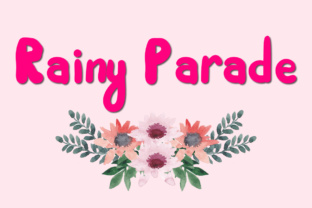
Rainy Parade is not your average font. Its bold strokes and rugged texture give it a raw, energetic feel that can convey strength, resilience, or even a sense of adventure. This font is perfect for brands or projects that want to communicate confidence, creativity, or a touch of rebellion. It works well in contexts where the message needs to stand out—think of it as the visual equivalent of a loud, clear statement.
Unlike more traditional fonts, Rainy Parade doesn’t blend in. It demands attention, which is both its greatest strength and its biggest challenge. If used appropriately, it can become the centerpiece of a design. If overused or misapplied, it can overwhelm the viewer and dilute the overall message.
Common Mistakes When Using Rainy Parade
One of the most frequent mistakes when working with Rainy Parade is using it in situations where subtlety is needed. For example, many beginners apply it to body text or long paragraphs, assuming that its boldness will make the content more engaging. In reality, this can lead to readability issues and a cluttered appearance. Rainy Parade is a display font, not a body font, and it’s designed to be used sparingly.
Another common error is not considering the context in which the font is being used. A rugged, aggressive look might work well for a music festival poster or a sports brand, but it could feel out of place on a professional business website or an academic publication. Understanding the tone and audience of your project is essential before choosing a font like Rainy Parade.
Some users also overlook the importance of pairing Rainy Parade with complementary fonts. While the font itself is strong, it may need a simpler, more neutral typeface to balance the composition. Without this balance, the design can appear unprofessional or chaotic.
How These Mistakes Affect Results
Using Rainy Parade incorrectly can have several negative consequences. Overuse can reduce readability, making it harder for the audience to engage with the content. Poor pairing can create visual noise, leading to a confusing or unattractive design. Misalignment with the project’s purpose can result in a mismatch between the message and the medium, reducing the impact of the work.
From a practical standpoint, these errors can also affect efficiency. If a designer has to redo a layout because the font didn’t work, it wastes time and resources. In a professional setting, this can lead to missed deadlines or client dissatisfaction.
Practical Advice for Using Rainy Parade Effectively
To get the most out of Rainy Parade, start by identifying the specific role it will play in your design. Use it as a headline or title rather than for body text. This allows its bold, rugged style to shine without overwhelming the reader. For example, a magazine cover or a social media graphic can benefit from the font’s strong presence.
Consider the overall visual hierarchy of your design. If you’re using Rainy Parade for a heading, pair it with a clean, sans-serif font for the body text. This contrast helps guide the viewer’s eye and maintains a professional look. Testing different combinations can help you find the right balance for your project.
Before finalizing your design, always test Rainy Parade in different sizes and formats. What looks great on a large banner might not work on a small mobile screen. Ensure that the font remains legible and impactful across all platforms.
What to Check Before Using Rainy Parade
Before committing to Rainy Parade, check if it’s licensed for your intended use. Some fonts come with restrictions on commercial projects, and failing to comply can lead to legal issues. Always review the license agreement carefully.
Also, consider the file format and compatibility. Make sure the font is available in the correct format (such as OTF or TTF) and that it works with your design software. Incompatibility can cause unexpected results and require additional troubleshooting.
Finally, think about accessibility. While Rainy Parade is visually striking, ensure that it doesn’t compromise the readability of your content. If the font is too stylized, it may not be suitable for audiences with visual impairments or those who rely on screen readers.
Realistic Examples and Better Approaches
Imagine you’re designing a promotional poster for a local art exhibit. Instead of using Rainy Parade for the entire layout, apply it to the main title. Pair it with a simple serif or sans-serif font for the event details and description. This approach highlights the font’s strength while maintaining clarity and professionalism.
Another scenario involves a branding project for a new outdoor gear company. Here, Rainy Parade could be used in the logo to reflect the rugged, adventurous spirit of the brand. However, avoid using it in the company’s website copy or marketing materials, where a more readable font would be more appropriate.
In both cases, the key is to use Rainy Parade intentionally. Let it serve as a focal point, not a default choice. By doing so, you can maximize its impact while avoiding common pitfalls.
Final Thoughts on Rainy Parade
Rainy Parade is a powerful font that can add character and energy to your designs. However, its effectiveness depends on how it’s used. By avoiding common mistakes, understanding its limitations, and applying it thoughtfully, you can harness its bold, rugged appeal without compromising the quality or clarity of your work.
Whether you're a designer, marketer, or business owner, taking the time to learn about fonts like Rainy Parade can lead to better decisions and more impactful results. Remember, the goal is not just to be seen—but to be understood. With the right approach, Rainy Parade can help you achieve that.