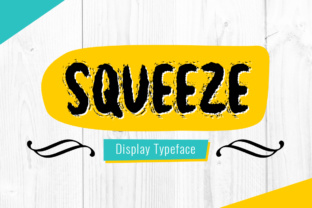
Squeeze: A Bold New Display Font for Creative Projects
If you're looking for a font that commands attention while maintaining a clean, modern aesthetic, Squeeze might be the perfect fit. This new display font is designed to stand out in a crowd, making it ideal for logos, headers, and other high-impact design elements. With its unique shape and dynamic structure, Squeeze brings a fresh energy to any project that needs a visual punch.
At first glance, Squeeze appears to be a modern sans-serif font, but it has a distinct personality that sets it apart. The letterforms are slightly compressed, giving the typeface a sense of movement and tension. This subtle squeeze effect makes the font feel both playful and professional, depending on how it's used. Whether you're designing a t-shirt, a flyer, or a website header, Squeeze can add a touch of flair without overwhelming the design.
Where Squeeze Shines in Design
Squeeze works best in projects where boldness and clarity are essential. Its strong visual presence makes it an excellent choice for logo design, especially for brands that want to convey confidence and creativity. The font’s compact structure also helps maintain readability at smaller sizes, which is crucial for print materials like business cards, brochures, and packaging design.
In digital spaces, Squeeze can elevate web design and social media graphics. It’s particularly effective as a heading font, where its striking appearance can draw the eye and guide the viewer through content. When used in image sliders or photo frames, Squeeze adds a layer of sophistication that complements both modern and vintage aesthetics.
For editorial design, Squeeze can serve as a powerful subheading or title font. Its contrast with more traditional serif fonts creates a dynamic layout that feels modern and engaging. In music covers or posters, the font’s energy can help set the tone and mood, making it a versatile tool for creative professionals.
The Impact of Squeeze on Branding and Design
Typography plays a critical role in shaping brand perception. Squeeze’s unique style can help establish a brand’s identity by offering a distinctive visual voice. When used consistently across marketing materials, it reinforces brand recognition and creates a cohesive look that resonates with audiences.
Readability is another key factor when choosing a font. While Squeeze is a display font and not intended for long blocks of text, its clear letterforms ensure that it remains legible in short phrases and headlines. This makes it suitable for use in signage, banners, and other applications where quick communication is important.
When pairing Squeeze with other fonts, consider its boldness and structure. It pairs well with simpler, more neutral typefaces that don’t compete with its visual impact. For example, using Squeeze as a headline with a classic serif font for body text can create a balanced and professional look. Experimenting with different font pairings can help you find the right combination for your specific project.
Choosing Squeeze: Practical Tips and Considerations
Before incorporating Squeeze into your design workflow, take time to evaluate how it fits your project. Test it in different sizes and contexts to see how it performs. If you’re working on a commercial project, make sure to review the font’s licensing terms to ensure it meets your needs.
Font pairing is an essential part of the design process. Try using Squeeze alongside other fonts to see how they interact. Pay attention to how the spacing, weight, and style of the other fonts complement or contrast with Squeeze. This will help you achieve a more polished and intentional design.
For personal or small business projects, Squeeze can add a unique touch that reflects your creative vision. Whether you’re designing a custom t-shirt, a promotional poster, or a social media graphic, the font’s versatility ensures it can adapt to a wide range of styles and formats.
Real-World Applications of Squeeze
One of the most common uses for Squeeze is in logo design. Its strong, compact form makes it ideal for creating memorable and recognizable brand marks. For example, a boutique clothing line could use Squeeze in their logo to communicate a modern, edgy aesthetic that appeals to younger audiences.
In print design, Squeeze can be used for everything from flyers to magazine covers. Its bold appearance makes it perfect for headlines that need to grab attention. When paired with a clean, minimal layout, Squeeze can create a visually striking design that stands out on the page.
On the web, Squeeze can enhance user experience by drawing attention to key elements. Whether it’s a call-to-action button, a featured article title, or a navigation menu, the font’s presence can guide users through the site and improve engagement.