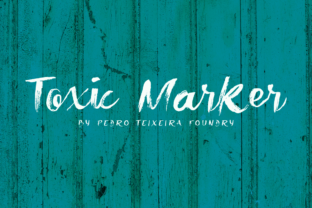
Toxic Marker: A Modern Calligraphy Font with Extreme Texture
Toxic Marker is a distinctive calligraphy font that stands out due to its unique visual style, characterized by extreme texture markers. Designed for those who seek a bold and unconventional aesthetic, this font offers a fresh approach to typography that can add depth and character to various design projects.
For designers, artists, and content creators looking for a way to make their work stand out, Toxic Marker presents an intriguing option. Its textured appearance can evoke a sense of rawness or edginess, making it suitable for specific creative contexts where traditional fonts may not convey the desired impact.
What Makes Toxic Marker Unique?
Toxic Marker is not your average calligraphy font. Unlike standard scripts that emphasize elegance and fluidity, this font incorporates a heavy, almost chaotic texture that mimics the look of marker strokes. This texture gives the font a dynamic and unpredictable feel, which can be both appealing and challenging depending on the intended use.
The design of Toxic Marker is influenced by graffiti, street art, and experimental typography. These influences contribute to its unrefined and aggressive aesthetic, making it ideal for projects that require a strong visual statement. However, this same quality may not be suitable for more formal or minimalist designs.
When to Consider Toxic Marker
There are several scenarios where Toxic Marker could be a strong fit. For instance, if you're working on a project that requires a gritty or rebellious tone—such as a music album cover, a brand identity for a youth-oriented product, or a poster for an underground event—this font could provide the right visual language.
Additionally, Toxic Marker might be useful in digital art, graphic design, or web development when you want to create contrast or draw attention to specific elements. Its texture can add layers of interest and complexity to otherwise simple layouts, making it a versatile tool in the right context.
Considerations and Tradeoffs
While Toxic Marker has its strengths, it's important to recognize its limitations. The font's texture can sometimes make it difficult to read, especially at smaller sizes or in dense text blocks. This means it may not be the best choice for body text or long-form content where clarity is essential.
Another consideration is the font's suitability across different platforms and devices. Due to its complex design, there may be inconsistencies in how Toxic Marker renders on various screens or in different software applications. This can affect the overall consistency of your design, particularly if it needs to be viewed in multiple formats.
Alternatives Worth Exploring
If you're looking for a similar aesthetic but with more versatility, there are alternative fonts that may better suit your needs. Fonts like Bebas Neue, Impact, or Black Ops One offer bold, attention-grabbing styles without the same level of texture that could compromise readability.
For those who prefer a more refined calligraphy style, fonts such as Great Vibes or Playfair Display provide elegance and sophistication while maintaining legibility. These options may be more appropriate for projects that require a balance between artistic expression and usability.
Practical Decision-Making Insights
Before deciding to use Toxic Marker, consider the purpose of your project and the audience you're targeting. If your goal is to create a striking visual element that communicates a specific mood or theme, this font could be an excellent choice. However, if clarity and accessibility are top priorities, you may want to explore other options.
It's also helpful to test the font in different contexts. Try using it in sample designs, print materials, or digital interfaces to see how it performs under real-world conditions. This will give you a better understanding of its strengths and limitations before committing to it for a larger project.
Finally, remember that typography is just one aspect of design. While Toxic Marker can add a unique flair, it should complement the overall message and visual identity of your work rather than overshadow it.