Palermo: A Bold Typographic Statement for Modern Design
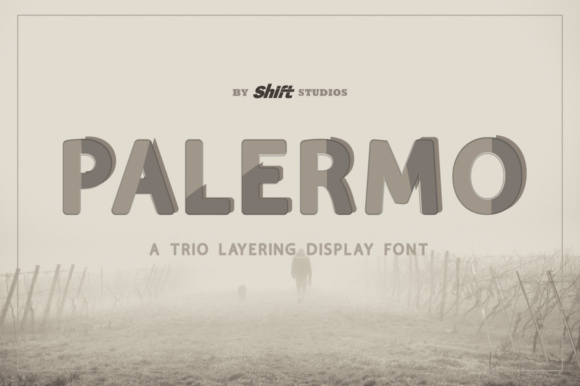
In the ever-evolving world of graphic design, typography plays a crucial role in defining the visual identity of a project. Among the many fonts available, Palermo stands out as a versatile and powerful choice for designers seeking a modern, eye-catching look. This all-caps font is not just another typeface—it’s a statement. With its clean lines, bold presence, and distinctive character, Palermo offers a range of applications that can elevate any design from ordinary to extraordinary.
Designed with contemporary aesthetics in mind, Palermo is ideal for projects that require a strong visual impact. Its rounded edges and balanced structure make it both approachable and sophisticated, allowing it to fit seamlessly into a variety of design contexts. Whether used in branding, advertising, or digital interfaces, Palermo brings a sense of energy and clarity that other fonts may lack.
The Versatility of Palermo
One of the most appealing aspects of Palermo is its flexibility. The font comes in three distinct styles, each offering a unique take on the same core design. This allows designers to choose the version that best suits their project’s needs. For instance, a more minimalist approach might benefit from the lighter variant, while a high-impact headline could use the boldest style to command attention.
Consider a logo design for a tech startup. The clean, rounded shapes of Palermo would convey innovation and approachability, making it an excellent choice for a brand that wants to appear both modern and trustworthy. Similarly, in a print advertisement, using the bolder version of Palermo could create a striking visual hierarchy, drawing the reader’s eye directly to the key message.
Applications in Digital and Print Media
Palermo’s adaptability extends beyond traditional design work. In the digital realm, it can be used effectively in web design, mobile app interfaces, and social media graphics. Its legibility at various sizes ensures that it remains readable even when scaled down for smaller screens. This makes it a practical choice for UI elements such as buttons, headings, and navigation menus.
In print media, Palermo shines in areas like magazine layouts, posters, and packaging. Its all-caps format adds a sense of urgency and emphasis, making it particularly useful for headlines and call-to-action statements. For example, a fashion magazine might use Palermo for a cover title to create a bold, memorable impression that stands out on newsstands.
Designing with Palermo: Best Practices
While Palermo is inherently striking, it’s important to use it thoughtfully. Overuse can lead to visual fatigue, so it’s best to reserve the font for key elements rather than entire blocks of text. Pairing it with a more subdued typeface can help balance the composition and maintain readability.
For instance, a website might use Palermo for the main navigation menu while using a sans-serif font like Arial or Helvetica for body text. This contrast creates a clear visual distinction between headings and content, improving the overall user experience. Additionally, experimenting with color and spacing can further enhance the impact of Palermo, allowing designers to tailor the font to their specific aesthetic goals.
Palermo in Branding and Identity
Branding is one of the most significant areas where Palermo can make a difference. A strong brand identity often relies on consistent visual elements, and typography is a critical component of that identity. By incorporating Palermo into a brand’s visual language, companies can create a cohesive and recognizable look that resonates with their target audience.
Take a coffee shop looking to establish a modern, trendy image. Using Palermo for their logo and signage would reinforce the brand’s commitment to contemporary design while also making it instantly identifiable. The font’s boldness and rounded shape suggest warmth and approachability, which aligns well with the hospitality industry’s values.
Considering Accessibility and Readability
When selecting a font, accessibility should never be overlooked. While Palermo is visually appealing, it’s essential to ensure that it remains accessible to all users. This includes considering factors such as contrast, size, and spacing. For example, using a high-contrast color scheme with Palermo can improve readability, especially for users with visual impairments.
Additionally, testing the font in different environments—such as on mobile devices or in low-light conditions—can help identify potential issues before they become problems. By prioritizing accessibility, designers can ensure that their use of Palermo enhances the user experience rather than detracts from it.
Exploring the Aesthetic of Palermo
The aesthetic appeal of Palermo lies in its ability to balance strength and softness. Its rounded edges give it a friendly, approachable feel, while its bold structure provides a sense of authority and confidence. This duality makes it suitable for a wide range of design projects, from corporate branding to creative art installations.
Imagine a mural that uses Palermo to spell out a motivational phrase. The font’s boldness would make the message stand out, while its rounded form would add a touch of warmth and positivity. In this context, Palermo becomes more than just a font—it becomes a visual tool for communication and expression.
Conclusion
Palermo is more than just a font; it’s a design element that can transform the way a project looks and feels. Its versatility, boldness, and modern aesthetic make it a valuable asset for designers across various industries. By understanding its strengths and limitations, professionals can harness the full potential of Palermo to create compelling and effective visual designs.