Little Boss: A Playful Font for Creative Workflows
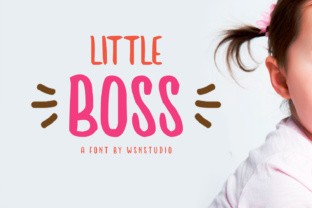
Little Boss is a font that brings a whimsical and charming energy to any design project. With its bubbly, rounded shapes and soft curves, it adds a sense of playfulness and approachability that can elevate the visual appeal of text in both digital and print formats. Whether you're working on branding, social media content, or personal projects, Little Boss offers a unique aesthetic that stands out while maintaining readability.
This font is particularly well-suited for displays, logos, and other visual elements where a friendly and engaging tone is desired. Its design makes it ideal for use in marketing materials, children's products, and creative campaigns that aim to connect with a wide audience. The font’s personality allows it to blend seamlessly into various styles while still retaining its distinct character.
Understanding Little Boss in the Design Process
Incorporating Little Boss into your workflow begins with understanding how it fits into the broader design process. Before starting a project, consider the tone and message you want to convey. If your goal is to create something lighthearted or fun, Little Boss can be an excellent choice. It works best when paired with other fonts that complement its playful nature, such as clean sans-serif or modern slab serif typefaces.
During the execution phase, it’s important to test the font in different contexts. For example, if you’re designing a website, ensure that Little Boss looks good at various screen sizes and resolutions. Similarly, if you’re creating print materials, check how it appears in both black and white and color. This helps maintain consistency across all platforms and ensures that the font performs well in real-world scenarios.
After completing a project, review how Little Boss contributes to the overall look and feel. Does it enhance the message or distract from it? Evaluate whether the font aligns with the brand’s identity and the target audience’s expectations. This step is crucial for quality control and long-term use, especially if the font will be used across multiple assets or campaigns.
Using Little Boss in Different Workflows
Little Boss can be integrated into a variety of workflows, depending on the user’s needs and goals. For instance, in a marketing campaign, it can be used for headlines, call-to-action buttons, or social media posts. Its bubbly appearance makes it ideal for capturing attention without overwhelming the viewer. When used in moderation, it adds a touch of charm that can make content more memorable.
In the realm of education or e-learning, Little Boss can be useful for creating engaging course materials, infographics, or interactive presentations. It can help break up dense text and make information more digestible, especially for younger audiences or those who prefer visual learning. However, it’s important to balance its use with more traditional fonts to maintain clarity and professionalism.
For small business owners or freelancers, Little Boss can be a valuable tool in branding efforts. It can be used for logos, business cards, or promotional materials to create a cohesive and recognizable identity. When combined with other design elements like colors and images, it helps build a strong visual presence that resonates with customers.
Practical Implementation Tips
To get the most out of Little Boss, start by selecting the right file format. Most fonts are available in common formats like OTF (OpenType) or TTF (TrueType), which are compatible with most design software. Ensure that your design tools support these formats before downloading or purchasing the font.
When using Little Boss in design software like Adobe Illustrator, Photoshop, or Canva, experiment with different weights and styles to find the one that best suits your project. Some versions of the font may include variations like bold, italic, or outlined options, which can add versatility to your work.
Another tip is to use Little Boss in conjunction with other design principles. For example, pair it with a minimalist layout to let the font stand out, or combine it with bold colors to create a vibrant and eye-catching design. Avoid overusing the font, as this can lead to clutter and reduce its impact.
Compatibility and Usability Considerations
Before fully integrating Little Boss into your workflow, check its compatibility with the platforms and devices you’ll be using. Some fonts may not render correctly on certain operating systems or browsers, so it’s wise to test them across different environments. This ensures that your designs look consistent and professional, regardless of where they’re viewed.
Usability is another key factor. While Little Boss is visually appealing, it’s important to ensure that it remains legible in different sizes and contexts. For body text, it may be better to use a more traditional font, but for headings or titles, it can be a great choice. Always consider the purpose of the text and the audience it’s intended for.
Additionally, think about how Little Boss interacts with other design elements. If you’re using it in a logo or branding material, make sure it complements the overall style and doesn’t clash with other visual components. Consistency is key to creating a polished and professional look.
Long-Term Use and Maintenance
For users who plan to use Little Boss regularly, consider how it will fit into their long-term design strategy. If it becomes a staple in your toolkit, keep track of updates or new versions that may improve its functionality or expand its features. Staying informed about font developments can help you make the most of its capabilities.
Maintaining a consistent use of Little Boss also requires organization. Keep a record of where and how the font is used, especially if it’s part of a larger brand or project. This helps prevent inconsistencies and ensures that the font is applied appropriately across all assets.
Finally, remember that fonts, like any design element, should evolve with your needs. If Little Boss no longer meets your requirements or if a new font offers better results, don’t hesitate to explore alternatives. Flexibility in your design choices allows for continued growth and innovation.