Jasunari: A Versatile Script Font for Modern Design
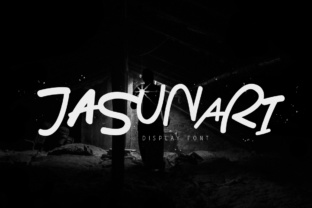
Jasunari is a clean, super casual script font that brings movement and charm to any design project. Its rounded style makes it ideal for modern applications, offering a bold yet approachable aesthetic that can elevate both digital and print work. Whether used for branding, signage, or editorial layouts, Jasunari adds a unique signature feel that stands out without overwhelming the overall composition.
Unlike more formal script fonts, Jasunari balances elegance with simplicity. This makes it particularly useful for designers looking to convey a sense of warmth and personality while maintaining readability. The font’s natural flow and soft curves help it fit into a wide range of visual styles, from minimalist to playful.
What Makes Jasunari Distinct?
Jasunari distinguishes itself through its balance of structure and fluidity. While many script fonts lean heavily toward either formality or informality, Jasunari finds a middle ground that works across various contexts. Its character set includes standard letterforms as well as alternate glyphs, allowing for creative flexibility without sacrificing legibility.
The font’s rounded edges contribute to its friendly and approachable appearance. This is especially beneficial in designs targeting younger audiences or those aiming for a relaxed, contemporary vibe. At the same time, the weight and spacing of the letters ensure that Jasunari remains readable even at smaller sizes, making it suitable for body text in certain applications.
Another notable feature is its versatility across platforms. Jasunari performs well in both digital and print environments, adapting smoothly to different screen resolutions and printing conditions. This makes it a practical choice for designers who need a reliable font that works consistently across multiple mediums.
Comparing Jasunari to Similar Fonts
When evaluating script fonts, it’s helpful to consider how they compare in terms of style, usability, and adaptability. Jasunari shares some similarities with other casual script fonts like Quicksand or Nunito, but it offers a more distinct character set that sets it apart. These alternatives tend to be more geometric or structured, whereas Jasunari leans into a more organic, hand-drawn feel.
For example, if a designer is looking for a font that mimics handwritten notes, Jasunari could be a better fit than something like Brush Script or Lobster. Those fonts often have a more exaggerated, decorative style that may not work as well in professional or subtle design projects. Jasunari, on the other hand, provides a more refined option that still retains a personal touch.
On the flip side, for projects requiring a more traditional or elegant script, fonts like Great Vibes or Pacifico might be more appropriate. These options are often used in wedding invitations or luxury branding, where a more ornate style is desired. Jasunari, while stylish, is less suited for such high-end applications due to its more casual nature.
Best Use Cases for Jasunari
Jasunari excels in situations where a friendly, modern look is needed. It works well for branding elements such as logos, headings, and social media profiles. Its clean lines and rounded forms make it an excellent choice for startups or businesses aiming to project a youthful, approachable image.
In editorial design, Jasunari can be used for headlines or subheadings to add visual interest without disrupting the flow of text. For instance, a magazine or blog might use it to highlight key sections or introduce a new article. Its readability at larger sizes ensures that it doesn’t compromise the overall legibility of the content.
Another practical application is in user interface (UI) design. With the growing trend of rounded typography in digital products, Jasunari can be used for buttons, labels, or navigation elements. Its soft appearance helps create a more inviting and user-friendly experience, especially in apps or websites targeting a broad audience.
Tradeoffs and Limitations
While Jasunari has many strengths, it’s important to recognize its limitations. One potential drawback is its suitability for long-form text. Due to its script style, it may not be the best choice for body paragraphs or extensive blocks of text. In such cases, a sans-serif or serif font would typically be more effective for maintaining readability and visual clarity.
Additionally, Jasunari may not be the top choice for highly formal or traditional projects. Its casual tone can sometimes feel out of place in settings that require a more serious or structured appearance. Designers should consider the context and audience when deciding whether to use Jasunari in a particular project.
Another consideration is the availability of variations. While Jasunari offers a solid base, it may lack the extensive glyph sets found in some other script fonts. This could be a limitation for users who need specific characters, such as special symbols or non-Latin alphabets.
When to Choose Jasunari
Jasunari is a strong choice when the goal is to add a personal, dynamic element to a design. It’s particularly effective for projects that aim to communicate energy, creativity, or a modern aesthetic. For example, a tech startup might use Jasunari in its logo to suggest innovation and approachability, while a lifestyle brand could use it in marketing materials to reinforce a friendly, relatable identity.
It also works well in multi-platform campaigns where consistency is key. Since it performs reliably across different formats, it can be used in both digital and physical assets without significant adjustments. This makes it a practical option for designers who need a cohesive look across various channels.
For those exploring alternatives, Jasunari offers a balanced option that avoids the extremes of overly formal or overly casual scripts. It’s a good starting point for designers who want to experiment with script fonts but aren’t ready to commit to more dramatic styles.
Conclusion: Making an Informed Choice
Jasunari is a versatile and appealing script font that can enhance a wide range of design projects. Its clean, rounded style and balanced character set make it suitable for modern applications where a friendly yet professional look is needed. However, it’s important to consider its limitations, particularly in terms of readability for extended text and appropriateness for formal contexts.
By understanding the strengths and tradeoffs of Jasunari, designers can make informed decisions about when and how to use it effectively. Whether used for branding, UI design, or editorial work, Jasunari offers a distinctive option that can add character and movement to any visual composition.